
How Weather and Airport Access Affect Your Charter Options
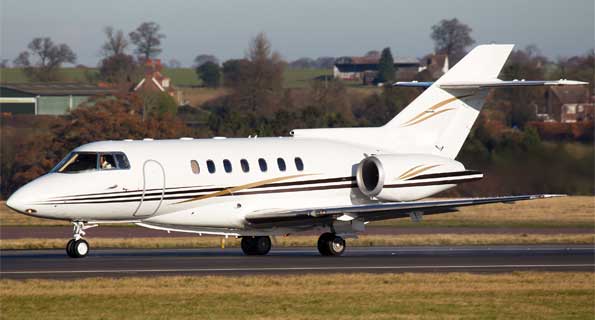
One of the biggest advantages of chartering a private aircraft is access — the ability to fly into smaller regional airports close to your actual destination instead of routing through a congested hub. But that advantage comes with real-world constraints. Weather systems and airport infrastructure both play a major role in which aircraft can be used, how a trip is routed, and sometimes whether a flight can depart on schedule at all. Understanding these factors in advance helps you plan smarter and avoid surprises on travel day.
Runway Length and Surface Determine Which Aircraft Can Be Used
Not every aircraft can land at every airport. Runway length, surface composition (asphalt, concrete, or turf), and even elevation all factor into whether a given jet or turboprop is a viable option for a particular airstrip. This is one of the first things a charter specialist evaluates when building out options for a trip.
For example, a short regional runway near a mountain community or coastal getaway may comfortably accommodate a turboprop like a Pilatus PC-12 or King Air 350, but rule out a larger aircraft like a Gulfstream IV or Challenger 605. Conversely, if your trip calls for transcontinental range and a full cabin for a large group, you'll need an airport with a runway long enough to support a large-cabin aircraft such as a Falcon 900 or Gulfstream V. This is exactly why Studio Jet works from a broad, diverse fleet rather than a single aircraft type — the right airplane for a trip to a major international airport may be entirely wrong for a trip to a small executive field, and vice versa.
Elevation and Temperature Affect Performance Margins
High-elevation airports — think mountain resort destinations — present a different challenge. Thinner air at altitude reduces engine and wing performance, which can mean reduced payload, a longer takeoff roll, or in some cases a fuel stop that wouldn't otherwise be necessary. Hot temperatures compound this effect, since hot air is less dense than cold air. Operators and pilots factor "density altitude" into every performance calculation, and it's a major reason why the same aircraft that performs effortlessly from a sea-level airport may need to depart with less fuel, fewer passengers, or a lighter load of baggage from a high-elevation strip on a warm afternoon. A seasoned charter specialist will flag this during planning, not after the fact.
Weather Shapes Routing, Timing, and Diversions
Thunderstorms, low cloud ceilings, icing conditions, and high crosswinds are everyday realities of flight planning, and private aviation is not exempt from them. Part 135 charter operators are held to the same safety-first standards around weather minimums as any certificated carrier, and a flight crew's decision to delay, reroute, or divert is never about inconvenience — it's about operating within safe, legal limits every time.
Weather can affect a charter trip in several ways:
- Departure delays when storm cells or low visibility sit over the departure airport
- En route rerouting around significant weather systems, which can add time to a flight
- Alternate airport planning, where crews identify backup landing options in case conditions change at the destination
- De-icing requirements in cold-weather months, which add ground time before departure
None of this means private travel loses its flexibility advantage — it simply means that flexibility works best when there's a little breathing room built into the schedule, particularly during winter months or in regions prone to fast-moving convective weather.
Smaller Airports Mean Fewer Crowds — But Sometimes Fewer Services
Part of the appeal of chartering is bypassing major commercial hubs in favor of a regional airport minutes from your actual destination. This typically means less time spent on the ground, easier parking, and a far more private experience overall. The tradeoff is that smaller fields may have limited hours, no on-site de-icing equipment, or no instrument approach capability for very low-visibility conditions. A good charter specialist already knows which airports in a given region handle winter operations well and which ones are better suited to fair-weather travel, and factors that into aircraft and airport selection from the start.
Why Planning Ahead — and Having Options — Matters
The common thread across all of this is flexibility. Because Studio Jet is a broker with access to a wide range of aircraft, from light jets like the Phenom 300 up through large-cabin aircraft like the Gulfstream 650, and turboprops like the King Air 200 for shorter, smaller-airport hops, there's rarely a one-size-fits-all answer. The right aircraft for your trip depends on where you're headed, what the airport can support, and what the weather is doing that week. Pricing for any of these options varies by aircraft, route, and season, so the most reliable way to understand your choices is to request a quote and talk through specifics with a specialist.
Fly With Confidence, Backed By Experience
Weather and airport access are not obstacles to avoid thinking about — they're variables every experienced operator plans around as a matter of routine. With more than 17 years arranging charter flights through FAA Part 135 certificated operators, Studio Jet's team knows how to match the right aircraft to the right airport, season, and mission, with safety and transparency guiding every recommendation.
If you have a trip coming up and want to understand your real aircraft options for your specific airports and travel dates, reach out to Studio Jet. Call 818-769-3535 or visit /request-a-quote to speak with a dedicated charter specialist and get a clear, personalized quote.