
How Weather and Airport Access Affect Your Charter Options
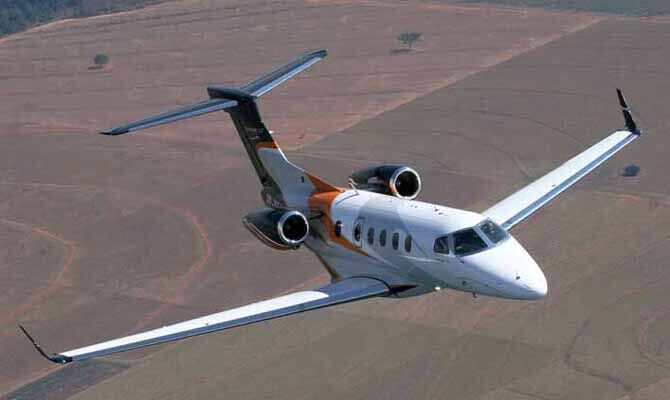
One of the biggest advantages of chartering a private jet is access — the ability to fly into smaller airports closer to your actual destination, on a schedule that suits you rather than an airline timetable. But that same flexibility comes with a layer of complexity that many first-time charter flyers don't anticipate: not every aircraft can use every airport, and not every airport can be used in every weather condition. Understanding how these two factors interact is the difference between a smooth trip and a frustrating last-minute scramble. At Studio Jet, our charter specialists factor in weather and airport access from the very first conversation, which is why working with an experienced broker — rather than booking blind — matters.
Runway Length and Surface Determine Which Aircraft Can Fly
Every aircraft has minimum runway requirements based on its weight, engine performance, and landing configuration. A light jet like a Phenom 100 or Hawker 400XP can often get into short, regional airstrips that a larger aircraft simply cannot use. On the other end of the spectrum, a Gulfstream V/550 or Challenger 605 needs considerably more pavement, along with a runway surface and load-bearing capacity rated to handle a heavier aircraft. This is one of the first things a charter specialist evaluates when you ask about a specific private airport near your destination — not just whether it's the closest option, but whether it's physically usable for the type of aircraft that fits your trip. Turbo-props such as the King Air 350 or Pilatus PC-12 are particularly useful here, since they're built to operate from shorter, sometimes unpaved strips that jets can't touch, opening up airport options that larger cabin aircraft would rule out entirely.
Elevation and Temperature Affect Performance
Airports at higher elevations, or those experiencing high-density altitude conditions (hot temperatures combined with elevation), require longer runway distances for takeoff because the aircraft needs more distance to generate enough lift in thinner air. This can mean that an aircraft which comfortably handles a given runway length at sea level may need a different runway, a fuel stop, or a lighter passenger/baggage load to safely operate out of a mountain or high-desert airport in summer. Operators calculate this precisely before every departure, and it's one of the reasons aircraft selection isn't just about cabin size and amenities — it's about matching the airframe to the realities of your specific airports on both ends of the trip.
Weather Can Change Your Airport, Route, or Aircraft on Short Notice
Thunderstorms, low visibility, icing conditions, and high crosswinds are the most common weather factors that affect charter flights. Unlike a scheduled airline that may simply cancel a flight, Part 135 operators have more tools to work around weather — but those tools still operate within strict safety margins set by the FAA. In practice, this might mean:
- Choosing an alternate airport nearby if your preferred destination has low visibility or an unfavorable wind direction for its runway orientation
- Adjusting departure time to avoid a line of thunderstorms along the route
- Selecting an aircraft with better cold-weather or de-icing capability for winter travel to mountain or northern destinations
- Building in a fuel stop if winds aloft or routing changes affect range
This is where having a dedicated charter specialist pays off. Rather than you trying to track weather systems and airport conditions yourself, your Studio Jet specialist monitors the forecast in the days leading up to your trip and works directly with the operator to adjust plans proactively, not reactively.
Why Aircraft Category Matters for Flexibility
Because Studio Jet works as a broker with access to a wide range of aircraft — from light jets like the Lear 45 and Citation II, up through super mid-size options like the Citation X and Challenger 300, to large-cabin aircraft such as the Falcon 900 and Gulfstream IV/450 — we're not limited to recommending whatever single aircraft happens to be available. That matters when weather or airport restrictions are in play, because it gives us room to pivot. If your first-choice airport can't accommodate a larger cabin aircraft, or if weather conditions favor a different category of aircraft for a particular route, we can look across the available fleet for the option that still gets you where you need to be, safely and on schedule.
Plan Ahead, Especially for Seasonal Travel
Winter travel to ski destinations, summer trips to high-elevation airports, or routes through regions known for seasonal thunderstorm activity all benefit from early planning. The earlier your charter specialist knows your destination and timing, the more options remain available if a weather pattern or airport limitation requires an adjustment. Pricing on any given trip varies by aircraft, route, season, and availability, so it's always worth discussing your specific itinerary directly rather than assuming one quote applies universally — your specialist can walk you through what's realistic for your dates and destination.
Let a Specialist Navigate the Details for You
Weather and airport access are two of the most consequential — and least understood — variables in private aviation. They influence which aircraft can be used, which airports are realistic, and how much flexibility you have if conditions change close to departure. With 17+ years arranging charter flights through FAA Part 135 certificated operators, Studio Jet's specialists are well-versed in building itineraries that account for these realities from the start, with safety and transparent pricing as the foundation of every recommendation. If you have a trip coming up and want to understand your real options, call us at 818-769-3535 or visit our request a quote page to speak with a dedicated charter specialist today.