
International Private Jet Charter: Customs, Permits & Planning Ahead
Flying privately across an international border feels effortless from the cabin — but behind the scenes, a well-run international charter is the product of careful coordination between your charter specialist, the operator, and the authorities on both ends of the trip. Customs clearance, overflight and landing permits, crew documentation, and aircraft-specific range or cabin considerations all have to line up before wheels ever leave the ground. Understanding how these pieces fit together will help you plan smarter and avoid last-minute surprises, whether you're heading to the Caribbean, Europe, or Latin America.
Customs and Immigration: It Starts Before You Board
Unlike commercial terminals, most private jet travelers clear customs and immigration at a fixed-base operator (FBO) or private terminal, which is part of what makes charter travel so efficient. That said, international arrivals still require advance notice. Operators typically need passenger manifests — full legal names, passport details, and sometimes visa information — submitted well before departure so customs agencies can pre-clear the flight. Some destinations require General Declaration forms, health or agricultural declarations, or advance notice to border agencies that only accept submissions during specific windows before landing. Missing these deadlines can mean delays on the ramp even after a smooth flight. This is exactly the kind of detail a dedicated charter specialist tracks on your behalf, rather than leaving it to the traveler to discover at the airport.
Permits: Overflight, Landing, and Slot Approvals
Crossing into foreign airspace, and landing there, often requires formal permission from that country's civil aviation authority. Overflight permits clear an aircraft to transit a nation's airspace without landing, while landing permits authorize the actual arrival. Some countries process these quickly; others — particularly in parts of Latin America, the Middle East, and certain island nations — require applications days or even weeks in advance, with specific aircraft registration numbers, crew details, and sometimes insurance documentation attached. Busy slot-controlled airports in Europe add another layer, requiring arrival and departure slots to be reserved ahead of time, especially around major events, holidays, or peak summer travel. None of this is insurmountable, but it does mean that international trips are rarely same-day bookings in the way a short domestic hop might be.
Choosing the Right Aircraft for the Route
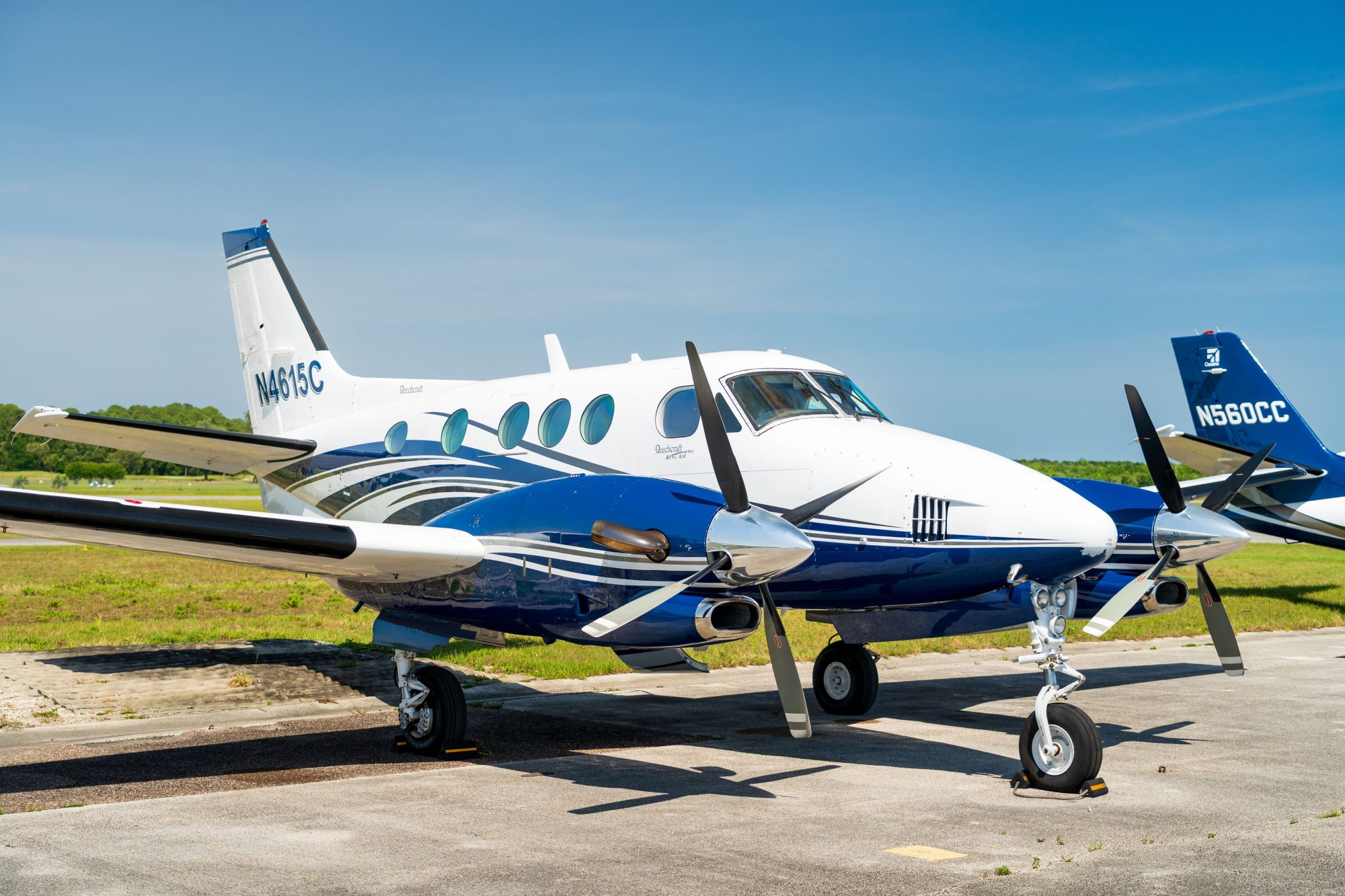
Aircraft selection for international travel isn't just about cabin size — range, fuel stops, and airport suitability all matter. A large-cabin jet like a Gulfstream V/550, Gulfstream IV/450, or Challenger 605 is often favored for long-haul international legs because of its extended range and transcontinental comfort, while a super mid-size option such as a Cessna Citation X or Falcon 50 can be well suited to shorter international hops, like Caribbean or near-international Latin American routes, with a fuel stop if needed. For trips requiring access to shorter runways or less-developed airstrips, a turbo-prop like the Pilatus PC-12 or King Air 350 may actually be the more practical choice. Your charter specialist will weigh your itinerary, passenger count, and baggage needs against the realistic capabilities of the aircraft available, rather than defaulting to the biggest cabin on the ramp.
Crew, Documentation, and Operator Credentials
Every aircraft Studio Jet arranges is flown by crews operating under FAA Part 135 certification, or the equivalent foreign civil aviation authority certification for internationally registered aircraft, meaning the operator — not Studio Jet — holds direct responsibility for the safe conduct of the flight. For international trips, crews must also carry the appropriate documentation: passports, visas where required, and in some cases letters of authorization from the destination country. Passengers should expect their broker or specialist to request passport copies and traveler details well ahead of departure — this isn't bureaucratic overreach, it's what keeps the permit and customs process moving without delays.
Why Lead Time Matters More Internationally
Domestic charters can sometimes be arranged with very short notice, but international trips reward planning ahead. Permit processing windows, slot availability, catering and customs coordination, and crew duty-time regulations all benefit from extra lead time — ideally days rather than hours for straightforward routes, and considerably more for complex multi-country itineraries or destinations with strict permit regimes. Building in that buffer also gives your specialist room to handle the unexpected: a permit rejection that needs resubmission, a weather reroute that changes a fuel stop, or a documentation issue that needs correcting before departure. Pricing for international charters also varies significantly by aircraft type, route, permit costs, and season, so it's always best to discuss a specific itinerary directly rather than rely on general assumptions.
Partnering With a Specialist Who Knows the Details
This is where an experienced charter broker earns its keep. Studio Jet has spent more than 17 years coordinating trips that cross borders, and every client works with a single dedicated charter specialist who manages the permit timeline, confirms documentation requirements, and selects an aircraft from our network's fleet that actually fits the route — not just the brief. Because Studio Jet works across a broad range of FAA Part 135 and foreign CAA-certificated operators rather than a single fleet, we can match the right cabin size and range to your specific international itinerary, with safety and transparent, quote-based pricing as the foundation of every recommendation.
If you're planning a trip across borders, the best first step is a conversation with a specialist who can map out the permit timeline and aircraft options before you lock in dates. Call Studio Jet at 818-769-3535 or visit our request a quote page to start planning your international charter the right way — with enough lead time to do it properly.