
Light, Midsize, and Large-Cabin Jets: What's the Real Difference?
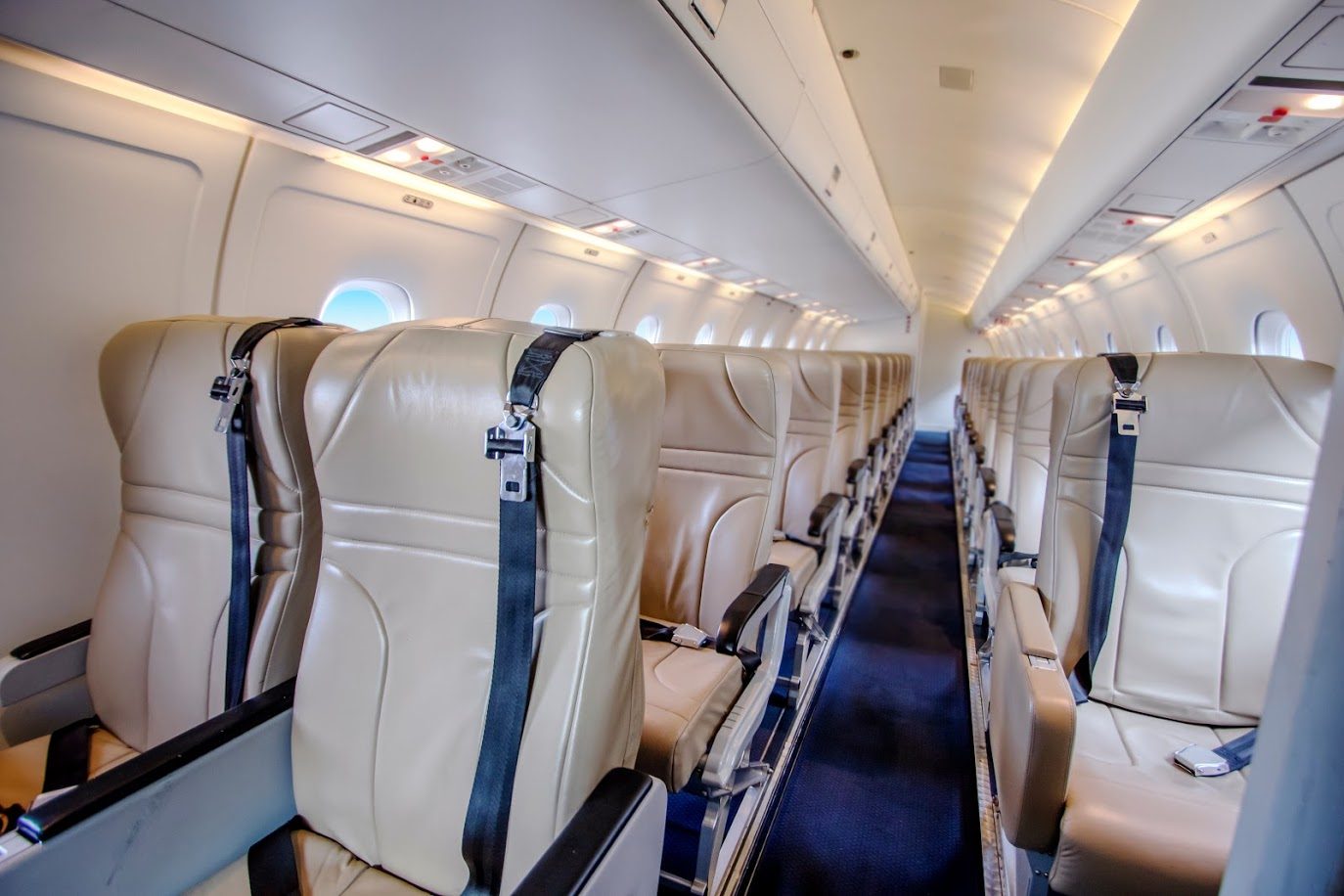
One of the first questions every charter client asks is some version of "which jet do I actually need?" It's a fair question, because the private jet market spans everything from compact six-seaters built for short hops to intercontinental large-cabin aircraft with stand-up cabins and enclosed lavatories. Understanding the practical differences between light, midsize, and large-cabin jets will help you avoid overpaying for capability you don't need — or worse, booking an aircraft that can't comfortably handle your trip. As a charter broker that has spent 17+ years matching travelers with the right aircraft and the right FAA Part 135 operator for every mission, we walk clients through this decision daily. Here's how the categories actually break down.
Light Jets: Efficient and Nimble for Shorter Trips
Light jets are the entry point into private aviation and remain the most popular category for regional travel. They typically seat between four and seven passengers, have limited baggage capacity, and are best suited to trips of roughly two hours or less, though this varies by route and headwinds. Aircraft in this class from our fleet include the Phenom 100, Phenom 300, Lear 45, Cessna Citation II, Cessna Citation V - Bravo, and Hawker 400XP. What makes light jets appealing is their efficiency and access. They can land at smaller airports with shorter runways that larger jets simply can't use, which matters if your destination is a regional strip near a second home, a ski town, or a business park outside a major metro. They're also generally the most economical category to charter, making them a smart choice for a quick executive trip, a small group heading to a golf outing, or a same-day there-and-back meeting.
Midsize and Super Midsize Jets: The Versatile Middle Ground
Midsize jets add meaningful cabin height, width, and range compared to light jets, while still being far more efficient than large-cabin aircraft. This category includes the Cessna Citation Excel/XLS, Cessna Citation Latitude, Lear 60, and the Hawker 800XP, 850XP, and 900XP — all of which offer a more comfortable stand-up or near-stand-up cabin, additional baggage room, and the ability to fly longer legs without a fuel stop. Within this broader family sits the super midsize class, which pushes range and cabin comfort even further. The Challenger 300, Cessna Citation X, Cessna Sovereign, Falcon 50, Gulfstream 200, and Hawker 1000 fall into this group. Super midsize jets are popular for coast-to-coast domestic trips and can often reach parts of Europe, South America, or the Caribbean from the U.S. depending on the specific aircraft, routing, and payload. For groups of six to nine passengers who want genuine legroom, a private lavatory, and the ability to work comfortably in flight, midsize and super midsize aircraft hit a strong balance of cost and capability.
Large-Cabin Jets: Long-Range Comfort for Bigger Groups
Large-cabin jets are built for distance, comfort, and group size. These aircraft typically offer full stand-up cabins, separate seating zones, enclosed lavatories, and in many cases the range to fly intercontinentally without stopping. Our large-cabin fleet access includes the Challenger 601, 604, and 605, Falcon 2000 and Falcon 900, Gulfstream III, Gulfstream IV/450, Gulfstream V/550, Gulfstream VI/650, and the Dornier 328. This category is the right call for transcontinental U.S. flights, transatlantic or transpacific travel, or any trip where you're moving a larger group — say ten or more passengers — who need room to spread out, hold a meeting in flight, or simply arrive rested after a long-haul leg. The tradeoff is straightforward: more cabin, more range, and more amenities come with a higher charter cost than a light or midsize jet. That's not a downside so much as a matter of matching the aircraft to the mission.
Turboprops and Helicopters: Worth Knowing About Too
Not every trip calls for a jet at all. For very short regional hops or destinations with limited runway infrastructure, turboprops like the King Air 90, King Air 200, King Air 350, or Pilatus PC-12 can be more practical and efficient. And for point-to-point trips where a runway isn't even the constraint — airport-to-office-helipad transfers, for example — helicopters such as the Sikorsky S-76 or Twin-Star may be the better answer. Part of our job as your charter specialist is making sure you're not automatically defaulting to a jet when a turboprop or helicopter actually solves your trip better and more efficiently.
How to Actually Choose the Right Category
In practice, the decision usually comes down to four questions: How many passengers are traveling? How far are you going, and is a nonstop leg required? How much baggage or equipment are you bringing? And what level of cabin comfort matters for this particular trip? A short repositioning flight for two executives doesn't need a large-cabin jet, and a ten-passenger group flying to Europe shouldn't be squeezed into a light jet. Every aircraft we arrange is operated by a properly certificated Part 135 (or equivalent) operator, and safety vetting happens regardless of category — the category simply determines comfort, range, and capacity, not safety standards. Pricing for any of these categories varies by aircraft, route, seasonality, and availability, so we don't quote flat rates — every trip gets a transparent, mission-specific quote from a dedicated charter specialist who will walk you through aircraft options honestly, including when a smaller or larger jet than you initially had in mind actually makes more sense.
If you're planning an upcoming trip and aren't sure which category fits best, that's exactly the conversation we have every day. Call Studio Jet at 818-769-3535 or visit our request a quote page, and a dedicated charter specialist will help you match the right aircraft to your route, group size, and budget — with straightforward answers and no guesswork.