
Packing and Baggage Considerations for Private Jet Travel
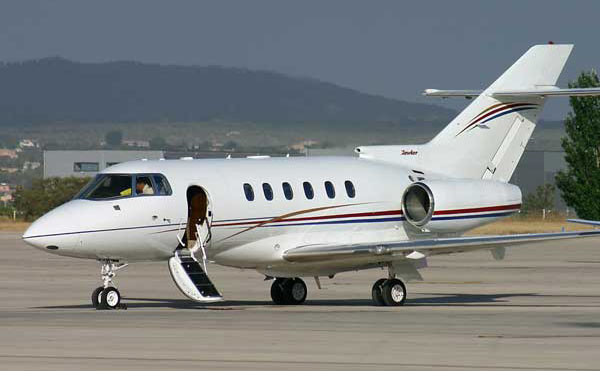
One of the most persistent myths about private aviation is that flying privately means unlimited baggage space. In reality, every aircraft has a finite baggage compartment, and the amount of room — along with the shape and access of that space — varies dramatically depending on the category of jet you charter. Knowing how to pack for a private flight isn't just about convenience; it's about working with your charter specialist to match your luggage needs to the right aircraft from the start, so there are no surprises curbside at the FBO.
Why Baggage Planning Matters More on a Private Jet
Unlike commercial travel, where baggage handlers and oversized cargo holds absorb almost anything you bring, private jets are weight- and space-sensitive machines. Baggage is factored into the aircraft's total weight and balance calculations alongside passengers, fuel, and catering. On smaller aircraft in particular, a few oversized bags, a set of golf clubs, or several ski bags can genuinely affect what's practical to carry. This is precisely why, when you request a quote from Studio Jet, your charter specialist will ask not just how many passengers are flying, but how many bags, what size, and whether you're bringing unusual items like musical instruments, pets, or sporting equipment. That information helps determine which aircraft in our network can comfortably and safely accommodate your trip.
Baggage Space Differs by Jet Category
It helps to think about baggage capacity in tiers that roughly track aircraft size:
- Turbo-props (King Air 90, King Air 200, King Air 350, Pilatus PC-12): These efficient aircraft are excellent for shorter trips and smaller groups, but baggage areas are typically compact, often a nose compartment or small aft area. They're well suited to a couple of soft-sided bags per passenger rather than large hard-shell luggage.
- Light jets (Phenom 100, Phenom 300, Citation II, Citation V-Bravo, Lear 45): Light jets offer a step up in cabin and baggage room, generally enough for a long weekend's worth of luggage for each passenger, though space is still at a premium compared to larger cabins.
- Mid-size and super mid-size jets (Citation XLS, Citation Latitude, Lear 60, Hawker 800XP/850XP/900XP, Challenger 300, Citation X, Gulfstream 200, Falcon 50): These aircraft typically offer notably more generous baggage compartments, often accessible both externally and sometimes internally in flight, making them a strong choice for longer trips, business travel with equipment, or families with multiple suitcases.
- Large cabin jets (Challenger 601/604/605, Falcon 900, Falcon 2000, Gulfstream III/IV/450/550/650, Dornier 328): With the most spacious baggage holds in the fleet, these aircraft comfortably handle extended travel, multiple passengers with full-size luggage, and specialty items like golf bags or ski equipment.
- Helicopters (Sikorsky S-76, Twin-Star): Baggage space is the most limited category here, so packing light and soft-sided is essential for helicopter charters.
Because this range is so wide, there's no universal baggage allowance for "private jet travel" — it genuinely depends on which aircraft is right for your mission, and that's a conversation worth having early with your charter specialist.
Practical Packing Tips for Any Private Flight
A few habits make private jet packing smoother regardless of aircraft size:
- Favor soft-sided luggage. Duffel bags and soft garment bags compress and stack more efficiently in baggage compartments than rigid hard-shell cases, especially on light jets and turbo-props.
- Communicate unusual items in advance. Skis, golf clubs, musical instruments, surfboards, or large pet crates should always be flagged when you book. Your specialist can confirm whether your preferred aircraft can accommodate them or recommend a better-suited option from the fleet.
- Pack logically for ground time. Private terminals (FBOs) mean minimal wait, so bags typically go straight from your vehicle to the aircraft. Keep anything you'll want in-flight — chargers, documents, a jacket — in an easily accessible personal bag rather than buried in checked luggage.
- Mind cabin storage, not just the hold. Larger cabin aircraft often have closets or under-seat storage for smaller items, which is useful for valuables, laptops, or breakable items you'd rather not place in the external baggage compartment.
- Weight still matters. Even though private charter is far more flexible than commercial baggage fees, operators do need accurate baggage weight for performance planning, particularly on shorter runways or with full passenger loads. Honest, early communication avoids any day-of-departure adjustments.
Let Your Charter Specialist Handle the Details
This is ultimately where the value of booking through an experienced broker becomes clear. Studio Jet has spent more than 17 years matching travelers with the right FAA Part 135 (or equivalent) certificated operators for their specific trip — and that matching process absolutely includes baggage and cargo needs, not just passenger count and route. We don't own or operate aircraft ourselves; instead, we draw on a broad network of operators and aircraft types to find the right fit for your group, your luggage, and your budget. Pricing always varies by aircraft, route, and season, so rather than guessing, the most reliable path is a direct conversation with a specialist who can walk through your specific baggage list.
Ready to Plan Your Trip?
Whether you're packing for a quick weekend getaway in a light jet or bringing a full set of golf clubs and ski gear on a large cabin aircraft, Studio Jet's dedicated charter specialists are ready to help you choose the right aircraft for the job. Call us at 818-769-3535 or visit our request a quote page to start planning a flight that fits your itinerary, your group, and everything you need to bring along.