
Turboprop vs. Jet: Picking the Right Aircraft for Shorter Trips
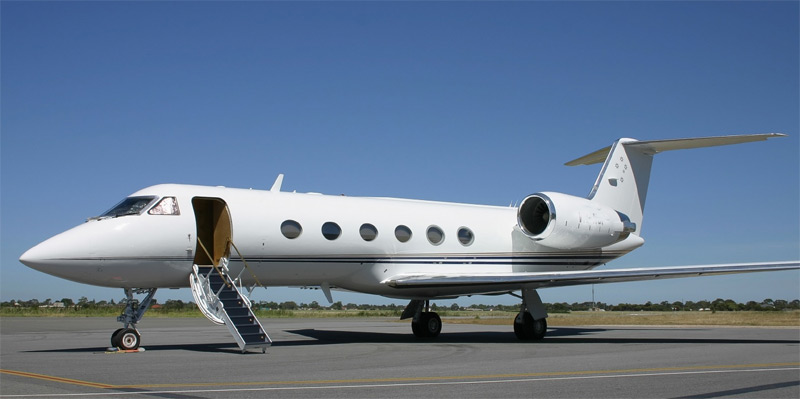
One of the most common questions our charter specialists hear is some version of "Do I really need a jet for this trip?" For flights under roughly 90 minutes to two hours, the answer isn't always obvious. A turboprop can be faster to board, cheaper to operate, and able to land at airports a jet simply can't reach — but a light jet brings speed, altitude capability, and cabin comfort that a turboprop can't match. Picking correctly isn't about which aircraft sounds more impressive; it's about matching the airplane to your route, your schedule, and your passengers' priorities.
What Makes a Turboprop Different
Turboprops like the Pilatus PC-12 and the King Air 90, King Air 200, and King Air 350 are powered by turbine engines turning propellers rather than pure jet thrust. That design gives them a few distinct advantages on shorter routes. They generally need less runway, which opens up smaller regional and municipal airports that larger jets can't use safely or at all. That matters enormously for trips into rural areas, ski destinations, or smaller coastal communities where the nearest "real" airport might otherwise be an hour's drive from where you actually want to be.
Turboprops also tend to be more economical to operate on a per-hour basis than jets, which can translate into a more efficient charter for shorter stage lengths where a jet would spend much of the flight climbing and descending rather than cruising at its most efficient altitude. The Pilatus PC-12, for example, is a single-engine turboprop that's remarkably capable for its size, with a flexible cabin that works well for small groups or combination passenger-and-cargo needs. The King Air family, meanwhile, has decades of operational history and is a workhorse across charter fleets for exactly this kind of short-to-medium regional mission.
Where Light Jets Win
Light jets such as the Phenom 100, Phenom 300, Citation II, Citation V - Bravo, and Lear 45 close the gap in a different way: speed and altitude. Jets climb faster and cruise higher, which often means smoother air above weather systems that a turboprop might have to fly through. On a 400- to 600-mile trip, that difference in cruising speed can meaningfully shorten total time in the air, which matters if you're trying to make a same-day round trip for a meeting or need to be wheels-down for a tight event schedule.
Cabin comfort is the other factor. Light jets typically offer a quieter, more stable ride and a cabin that feels more like a private office or lounge than a utility aircraft. If your trip involves client work, sensitive conversations, or simply a preference for a more polished experience, the jet cabin environment is usually the more comfortable choice even over a short distance.
Runway and Airport Access Matters More Than People Think
This is where the decision often gets made for you rather than by preference alone. Many smaller airports near resort towns, lake communities, or rural business locations have shorter runways that aren't suitable for jet operations but are well within a turboprop's capability. If your destination is one of these airports, a turboprop like the Pilatus PC-12 or a King Air may not just be the more practical option — it may be the only option that gets you close to where you're actually going, rather than requiring a drive from a larger airport an hour or more away.
Conversely, if both ends of your trip are served by airports with longer runways and you're prioritizing speed above all else, a light jet removes that constraint and lets speed and comfort drive the decision instead.
Group Size and Baggage
Turboprops are often configured for smaller groups and have more modest baggage capacity than a jet of comparable category. If you're traveling with several passengers, golf clubs, ski equipment, or extra luggage, it's worth discussing cabin and baggage configuration with your charter specialist before assuming either category will work. A Citation II or Phenom 300 may offer a better balance of cabin space and baggage room for a group than a smaller turboprop would, even on a short route.
How We Help You Decide
At Studio Jet, we don't push a particular category of aircraft — we work backward from your actual trip. That means looking at your departure and arrival airports, group size, baggage needs, schedule flexibility, and budget, then matching you with an available aircraft from an FAA Part 135 (or equivalent) certificated operator that makes sense for that specific mission. Sometimes that's a King Air 350 into a short regional strip. Sometimes it's a Lear 45 or Citation Excel/XLS because the trip profile calls for more speed or a longer leg than first discussed. Pricing on any of these options varies by aircraft, route, and season, so rather than guessing at a number, we'll walk you through real options once we know your trip details.
With more than 17 years arranging charter flights, we've seen firsthand how often the "obvious" choice isn't actually the best one once runway length, group size, or schedule constraints are factored in. That's exactly why every trip gets a dedicated charter specialist rather than a generic quote generator — safety and transparency guide every recommendation we make.
Ready to Compare Options for Your Trip?
If you're weighing a turboprop against a light or mid-size jet for an upcoming short trip, let's talk specifics. Call us at 818-769-3535 or visit our request a quote page, and a Studio Jet charter specialist will help you compare real aircraft options matched to your route, schedule, and group — with transparent, quote-based pricing from the start.