
What to Expect When You Charter a Private Jet
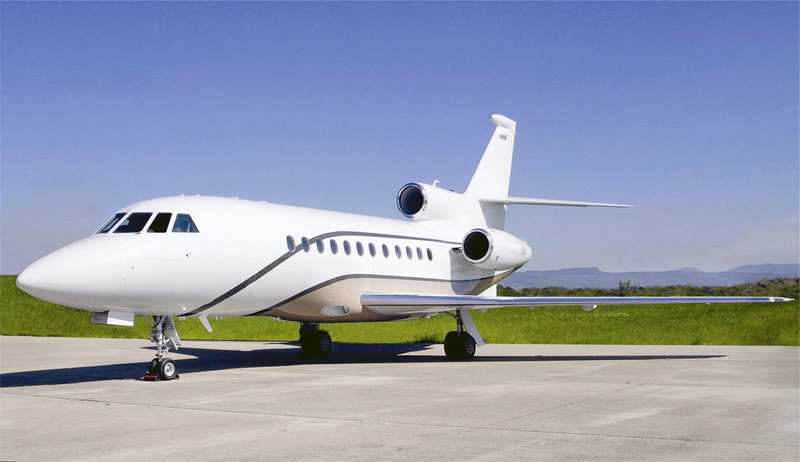
Chartering a private jet for the first time can feel like an opaque process — unfamiliar terminology, unfamiliar aircraft, and no obvious "book now" button the way there is with a commercial airline. In reality, once you understand the steps, it's a remarkably straightforward experience. Studio Jet has spent more than 21 years guiding travelers through exactly this process, and this guide walks through what actually happens from the moment you pick up the phone to the moment you land.
It Starts With a Conversation, Not a Booking Form
Unlike buying a commercial airline ticket, chartering a jet begins with a conversation with a charter specialist, not a checkout page. You'll be asked about your departure and arrival airports (which are often smaller, more convenient regional airports rather than major hubs), your preferred dates and times, the number of passengers, and any special needs — pets, extra baggage, ground transportation, catering preferences, or accessibility requirements. This conversation matters because it determines everything downstream: which aircraft category makes sense, which operators have availability, and what the trip will realistically cost.
At Studio Jet, this is also where you're assigned a dedicated charter specialist who stays with your trip from quote to wheels-up. That single point of contact is intentional — private aviation has a lot of moving parts, and continuity matters when plans shift.
Aircraft Selection: Matching the Plane to the Mission
One of the most valuable parts of working with a broker is access to a wide range of aircraft across categories, rather than being limited to whatever a single operator happens to have on its ramp. Depending on your route, passenger count, and baggage needs, your specialist might recommend:
- Turbo-props like the King Air 350 or Pilatus PC-12 for shorter regional hops where efficiency and access to smaller runways matter most.
- Light jets like the Phenom 300, Lear 45, or Citation II for quick trips with a handful of passengers.
- Mid-size jets like the Citation XLS or Hawker 800XP, which offer a good balance of cabin space and range for medium-length routes.
- Super mid-size jets like the Challenger 300 or Citation X for longer transcontinental legs with more cabin room.
- Large cabin jets like the Gulfstream IV, Falcon 900, or Challenger 605 for long-haul travel, larger groups, or maximum comfort.
- Helicopters like the Sikorsky S-76 for short-hop transfers where landing at an airport isn't practical.
Studio Jet has access to aircraft across all of these categories, and part of the specialist's job is steering you toward the right fit rather than the flashiest option — the goal is a safe, comfortable, efficient trip, not upselling a bigger cabin than you need.
Understanding the Quote
Charter pricing is never a flat rate — it varies by aircraft type, route, trip length, seasonal demand, and positioning costs (the cost of getting an aircraft to your departure airport if it isn't already there). Because of that, you should expect a quote tailored to your specific trip rather than a published price list. A transparent quote should clearly itemize what's included — flight time, crew, standard catering — and flag anything that could be an additional variable, such as international fees, de-icing, or overnight crew costs. If a quote seems vague or unusually low compared to others, ask questions. A trustworthy broker will walk you through exactly what you're paying for. When you're ready to move forward, the fastest way to get real numbers for your trip is to request a quote directly rather than trying to estimate from general pricing guides.
Who's Actually Flying the Plane
This is a detail worth understanding: charter brokers like Studio Jet arrange and manage your trip, but the aircraft itself is owned and operated by an FAA Part 135 certificated operator (or, for larger aircraft, Part 121; for international operators, the equivalent foreign civil aviation authority certification). That distinction matters because it's the operator who holds the certificate, employs the pilots, and maintains the aircraft under federal oversight. A good broker's job is to vet operators carefully and match you with one whose aircraft, crew, and safety record fit the trip — safety review shouldn't stop once a quote is accepted.
Day of Travel: What Actually Happens
The experience on travel day is where private charter differs most obviously from commercial flying. You'll typically arrive at a private terminal, or FBO (fixed-base operator), rather than a commercial concourse — often just 15 to 30 minutes before departure, since there's no large-scale security queue or gate assignment to navigate. Your bags go straight to the aircraft. The crew will greet you, run through a short safety briefing, and once everyone is aboard and settled, you depart on your schedule rather than a fixed timetable. On arrival, the same thing happens in reverse: you deplane directly onto the ramp, often with ground transportation arranged and waiting.
What to Have Ready Before You Book
A little preparation makes the process faster and the quote more accurate. Before you call, it helps to know your ideal departure window (and how flexible it is), your total passenger count, any oversized baggage or equipment, whether pets are traveling, and whether you'll need catering or ground transportation on either end. The more detail your specialist has upfront, the more precise and useful your first quote will be.
Chartering a private jet is ultimately about control — over your schedule, your privacy, and your comfort — but getting the most out of it depends on working with people who know the fleet, the operators, and the routes. If you're ready to see what a trip would look like for your dates and destinations, call Studio Jet at 818-769-3535 or visit our request a quote page to get started with a dedicated charter specialist today.