
Charter Broker vs. Booking Direct: What Flyers Should Know
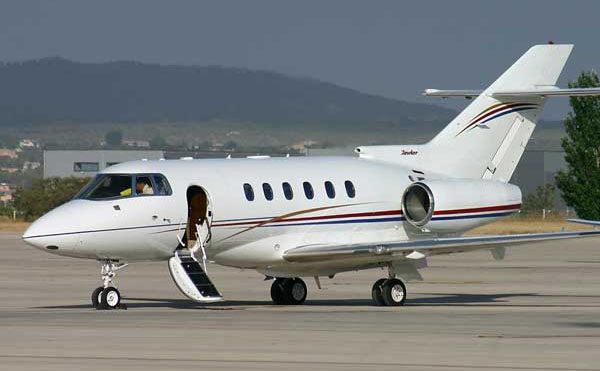
Anyone new to private aviation eventually runs into the same question: is it better to book a flight directly with an aircraft operator, or to work with a charter broker? Both paths can get you off the ground, but they are not the same experience, and the differences show up in ways that matter — access to aircraft, pricing transparency, safety vetting, and what happens when your trip doesn't go exactly as planned. Having arranged charter flights for clients for more than 17 years, we've seen firsthand where each model shines and where it falls short.
What a Charter Broker Actually Does
A charter broker like Studio Jet doesn't own or operate aircraft. Instead, we act as your agent, drawing on relationships with a wide network of FAA Part 135 (and where applicable, Part 121 or foreign CAA-equivalent) certificated operators to find the right aircraft for your specific trip. That distinction is spelled out in DOT regulation 14 CFR Part 295, which governs how charter brokers and air carriers must represent themselves to the public — brokers arrange transportation, operators actually fly the airplane.
In practice, this means our job is to understand your mission — passenger count, luggage, route, schedule, budget — and then source the aircraft and operator that best fits it, rather than trying to fill one specific plane sitting on one specific ramp.
The Access Advantage
Booking direct with a single operator limits you to whatever aircraft that company happens to have in its own fleet, based at its own home airports. If their Challenger 604 is down for maintenance or already committed to another trip, your options are whatever else they happen to own.
A broker works across many operators and a much wider range of aircraft types. Depending on the trip, that could mean placing you on a Phenom 100 or Citation II for a short regional hop, a Citation Latitude or Hawker 900XP for a mid-size trip with more cabin room, a Challenger 300 or Gulfstream IV for a longer transcontinental run, or a King Air 350 or Pilatus PC-12 turboprop for a shorter trip into a smaller airport. That flexibility isn't just about comfort — it's often the difference between finding an aircraft that's actually available on your dates versus being told to wait.
Safety Vetting: Whose Job Is It?
This is where the broker relationship should earn its keep. Every operator carries FAA Part 135 certification as a baseline, but certification alone doesn't tell you everything about a specific operator's safety culture, maintenance practices, or pilot experience levels. A serious broker builds ongoing relationships with operators and vets them before ever placing a passenger on their aircraft — checking safety records, insurance coverage, and operational history as an added layer on top of the FAA's own oversight.
When you book direct, you're relying entirely on that one operator's own representation of itself. There's nothing wrong with that if the operator is reputable, but you lose the independent, third-party perspective a broker brings to evaluating multiple operators side by side. At Studio Jet, safety review of the operators we work with isn't an afterthought — it's the starting point for every trip we quote, because it's genuinely the first question any of us ask before we ever discuss aircraft type or pricing.
Pricing: Clarity vs. a Single Data Point
Charter pricing always varies by aircraft category, route, seasonal demand, and operator — there's no fixed rate card in this industry, whether you book direct or through a broker. The real difference is in how many data points you're comparing. Book direct with one operator and you get one quote, based on one company's aircraft availability and positioning costs that day. Work with a broker and you get a comparison across multiple qualified operators, which tends to surface more transparent, competitive options rather than a single take-it-or-leave-it number.
We're upfront with clients that we won't quote a flat dollar figure in a blog post or over a quick phone call before we know the specifics of a trip — that would do a disservice to the fact that pricing genuinely depends on your dates, aircraft category, and routing. What we can promise is a clear, itemized quote once we know what you need, and a specialist who will walk you through exactly what's included.
Flexibility When Plans Change
Trips change — weather diverts a flight, a meeting runs long, a passenger count shifts at the last minute. When you book direct, your options are limited to whatever that one operator's fleet can offer at that moment. A broker with access to a wide range of aircraft, from light jets like the Lear 45 up through large-cabin aircraft like the Gulfstream V/550 or Falcon 900, has more room to maneuver — swapping aircraft, adjusting operators, or repositioning a trip without starting the search from zero.
Which Model Is Right for You?
If you fly the exact same route on the exact same aircraft every time and already have a trusted relationship with one operator, booking direct can work perfectly well. But for most travelers — especially those flying varied missions, unfamiliar routes, or with schedules that shift — a broker's breadth of access, independent safety vetting, and side-by-side pricing comparison tend to deliver a smoother, more accountable experience. It also means you have one dedicated point of contact managing the details, rather than juggling relationships with multiple operators yourself.
If you're weighing your options for an upcoming trip, our team is happy to walk you through what's realistic for your route, timeline, and group size — no pressure, no invented numbers, just a straightforward conversation about what makes sense. Call us at 818-769-3535 or visit /request-a-quote to get a personalized quote from a dedicated Studio Jet charter specialist.