
How to Prepare for Your First Private Jet Flight
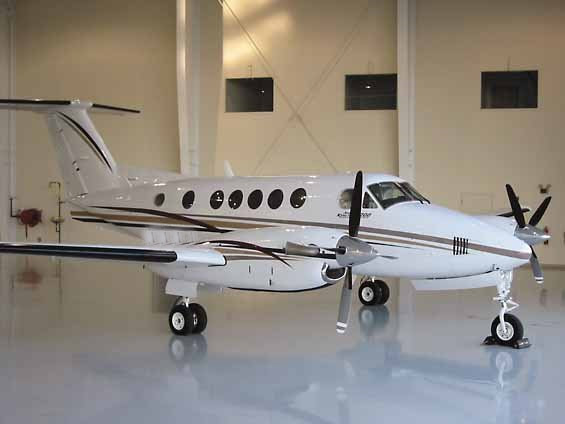
Your first private jet flight is a genuinely different experience from anything you've encountered flying commercial, and a little preparation goes a long way toward making it smooth and stress-free. Unlike a commercial itinerary, a charter trip is built around you: your schedule, your group, your preferences. But because it's unfamiliar territory, first-time flyers often have questions about timing, paperwork, luggage, and etiquette. Here's what to know before you go, drawn from nearly two decades of arranging charter flights for clients who are stepping onto a private aircraft for the very first time.
Start With the Trip Details, Not the Aircraft
It's tempting to start by picking a jet, but the smarter approach is to nail down the basics first: number of passengers, departure and arrival airports, preferred dates and times, and any luggage or cargo needs (golf clubs, pets, medical equipment, etc.). These details determine which category of aircraft actually makes sense. A short regional hop with two passengers might be perfectly served by a turboprop like a King Air 350 or Pilatus PC-12, while a transcontinental trip with a larger group may call for a super mid-size or large-cabin jet such as a Challenger 605 or Gulfstream IV/450. A good charter specialist will walk you through these tradeoffs rather than simply upselling the biggest cabin available.
Understand How Charter Actually Works
It's worth understanding the structure behind the flight you're booking. Studio Jet, like other reputable charter brokers, doesn't own or operate aircraft. Instead, we arrange your trip with FAA Part 135 (or, for larger operations, Part 121) certificated operators — the licensed companies that actually own, maintain, crew, and fly the aircraft under federal safety oversight. This distinction matters because it means your flight benefits from both a broker's market-wide access to aircraft and an operator's direct regulatory accountability for the pilots, maintenance, and safety program. Don't hesitate to ask your specialist which operator and aircraft are proposed for your trip — transparency here is a sign of a broker doing things right.
Arrive Early, But Not Commercial-Early
One of the most pleasant surprises for first-time charter flyers is how little lead time is actually required. Most private terminals (FBOs, or fixed-base operators) ask that you arrive somewhere between 15 and 30 minutes before departure — no security lines, no gate changes, no boarding groups. Security screening is far more streamlined than at a commercial terminal, though international trips will still require passports and, depending on the destination, customs and immigration processing either at your departure FBO or on arrival. If you're flying internationally for the first time, ask your specialist what documentation you'll need well in advance so there are no surprises at the curb.
Pack Smart — Space and Rules Vary by Aircraft
Baggage handling on a private jet is refreshingly informal compared to commercial travel, but cabin and baggage compartment space still vary meaningfully by aircraft type. A light jet like a Phenom 100 or Citation II has real, but limited, luggage capacity, while a large-cabin aircraft like a Falcon 900 or Gulfstream V/550 offers considerably more room for bags, golf clubs, or skis. If you have oversized items, special equipment, or are traveling with a pet, mention it when you request your quote so your specialist can match you to an aircraft that comfortably accommodates everything — rather than discovering a constraint the day of departure.
Know What's Included — and Ask Questions Early
Charter pricing is quote-based and varies by aircraft category, route, season, and length of trip, so there's no universal number to expect going in. What you can expect is a clear, itemized quote before you commit, along with a dedicated specialist who can explain exactly what's included — catering, ground transportation coordination, de-icing or overnight crew costs, and so on. First-time flyers should feel free to ask plenty of questions: Which operator is flying this trip? What's the cancellation and weather policy? Is the aircraft pet-friendly? A trustworthy broker treats these questions as routine, not as friction.
Think About the Return Trip and Flexibility
One advantage seasoned charter flyers learn quickly: the schedule bends to you, not the other way around. If your meeting runs long or your event wraps up early, it's often possible to adjust departure times with far more flexibility than a commercial ticket allows — though this depends on aircraft and crew availability, so it's best discussed with your specialist at the time of booking rather than assumed. If you already know your return window is uncertain, say so upfront; it may influence which aircraft and operator make the most sense for a round-trip itinerary.
Trust the Details to a Dedicated Specialist
The single biggest difference between a smooth first private flight and an uncertain one is having someone in your corner who handles the logistics — aircraft selection, operator vetting, FBO coordination, catering, and ground transportation — so you don't have to. After 17-plus years arranging charter flights, we've found that first-time flyers do best when they have one dedicated point of contact from initial quote through wheels-up, rather than a call center. That's the model we've built Studio Jet around.
If you're planning your first private jet flight and want a clear, no-pressure walkthrough of your options — aircraft, routing, timing, and cost factors — request a quote from Studio Jet or call us directly at 818-769-3535. Our specialists are ready to match you with the right aircraft and operator for your trip, and to answer every question along the way.