
How Weather and Airport Access Shape Your Private Jet Charter
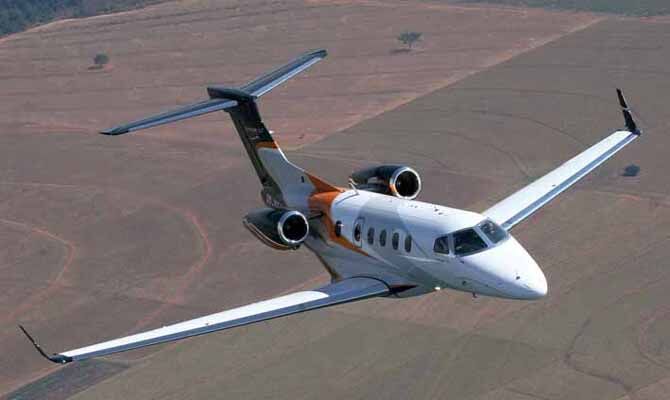
When people think about booking a private jet, they usually focus on cabin size, schedule flexibility, and cost. What often gets overlooked — until it matters — is the powerful role that weather and airport infrastructure play in determining which aircraft can actually fly your trip, from which airports, and how reliably. At Studio Jet, our charter specialists factor these variables into every quote, because the right aircraft on paper isn't always the right aircraft for your specific route and conditions. Understanding this ahead of time helps you plan smarter and avoid surprises on the day of travel.
Why Airport Access Isn't One-Size-Fits-All
One of the biggest advantages of chartering privately is access to smaller regional and executive airports that commercial airlines never touch — often putting you dramatically closer to your actual destination. But not every aircraft can use every runway. Runway length, surface condition, elevation, and surrounding terrain all limit which aircraft types are viable at a given field.
A light jet like a Phenom 100 or Citation II can often operate comfortably out of shorter strips that would be off-limits to a large-cabin aircraft like a Gulfstream IV or Challenger 605. Turbo-props such as the Pilatus PC-12 or King Air 350 are especially well-suited to short, sometimes unpaved runways, high-elevation airports, or fields with limited approach infrastructure — the kind of destinations that open up ski towns, island communities, and rural business locations that jets simply can't reach. This is why your charter specialist needs to know your exact destination airport (not just the nearest major city) before recommending aircraft.
How Weather Changes the Equation
Weather affects charter flying in ways that go well beyond "is it safe to fly today." Different aircraft have different capabilities when it comes to operating in crosswinds, low visibility, icing conditions, and thunderstorm activity, and those capabilities factor directly into which aircraft an operator will dispatch for a given day.
Cold-weather operations can require de-icing procedures and adjusted runway performance calculations, particularly at higher-elevation airports where thinner air already reduces available runway performance margins. Summer months bring their own challenges, including afternoon thunderstorm buildups in many parts of the country that can affect both departure timing and routing. Larger, more capable aircraft — such as a Gulfstream V/550 or Falcon 900 — often have more robust all-weather capability and longer range to route around weather systems, while lighter aircraft may need to plan fuel stops or adjusted departure windows to stay ahead of a system.
Part 135 Operators Make the Final Call — And That's a Good Thing
It's worth being clear about how this works operationally. Studio Jet is a charter broker — we arrange flights on your behalf, but we don't own or operate aircraft ourselves. Every flight we book is flown by FAA Part 135 certificated operators (or Part 121 and foreign CAA equivalents for certain international trips), and those operators — not us, and not the passenger — make the final go/no-go decision based on weather, runway conditions, and aircraft performance limits at the time of the flight.
This is exactly how it should be. A safety-first charter experience means the people with direct operational responsibility and the most current data are the ones making the call, without pressure to fly in marginal conditions. Our job is to set expectations honestly, help you understand the tradeoffs, and have contingency options ready if conditions shift.
Matching Aircraft to Route Reality
This is where having a dedicated charter specialist actually pays off. A knowledgeable specialist looks at your full itinerary — origin, destination, time of year, and time of day — and works backward to the aircraft categories that realistically make sense, rather than just matching passenger count to cabin size.
For example, a trip into a mountain resort airport with a shorter runway and high density altitude in summer might steer the recommendation toward a Hawker 800XP or Citation Excel/XLS instead of a larger super mid-size jet that technically has the range but not the short-field performance. Conversely, a long transcontinental trip with weather systems likely along the route might favor a large-cabin aircraft like a Challenger 604 or Gulfstream IV/450 that can climb above or route around weather more efficiently and carry the fuel reserves to divert comfortably if needed.
Building Flexibility Into Your Plans
Because weather and airport limitations are realities of aviation — not inconveniences unique to charter — the most experienced flyers build a little flexibility into their planning where possible. That might mean identifying a backup airport within reasonable driving distance of your final destination, allowing a slightly wider departure window, or discussing alternate aircraft options with your specialist in advance rather than the morning of the trip.
It also helps to ask questions early. If you're flying into an airport you're unfamiliar with, ask your charter specialist about its runway length, typical seasonal weather patterns, and what aircraft types regularly operate there. Seventeen-plus years of arranging charters has taught our team that the trips that go smoothest are almost always the ones where these details were discussed upfront, not discovered at the FBO.
Plan Your Route With Real Expertise Behind You
Weather and airport access are not obstacles to work around at the last minute — they're variables that, when factored in early, help you choose the right aircraft and avoid disruption. Pricing for any of these options always depends on the aircraft, route, and season, so the best next step is simply to talk it through. Contact Studio Jet at 818-769-3535 or visit our request a quote page, and one of our dedicated charter specialists will help you match the right aircraft to your destination, your schedule, and the conditions you're flying into.