
Traveling with Pets on a Private Jet: What to Know Before You Fly
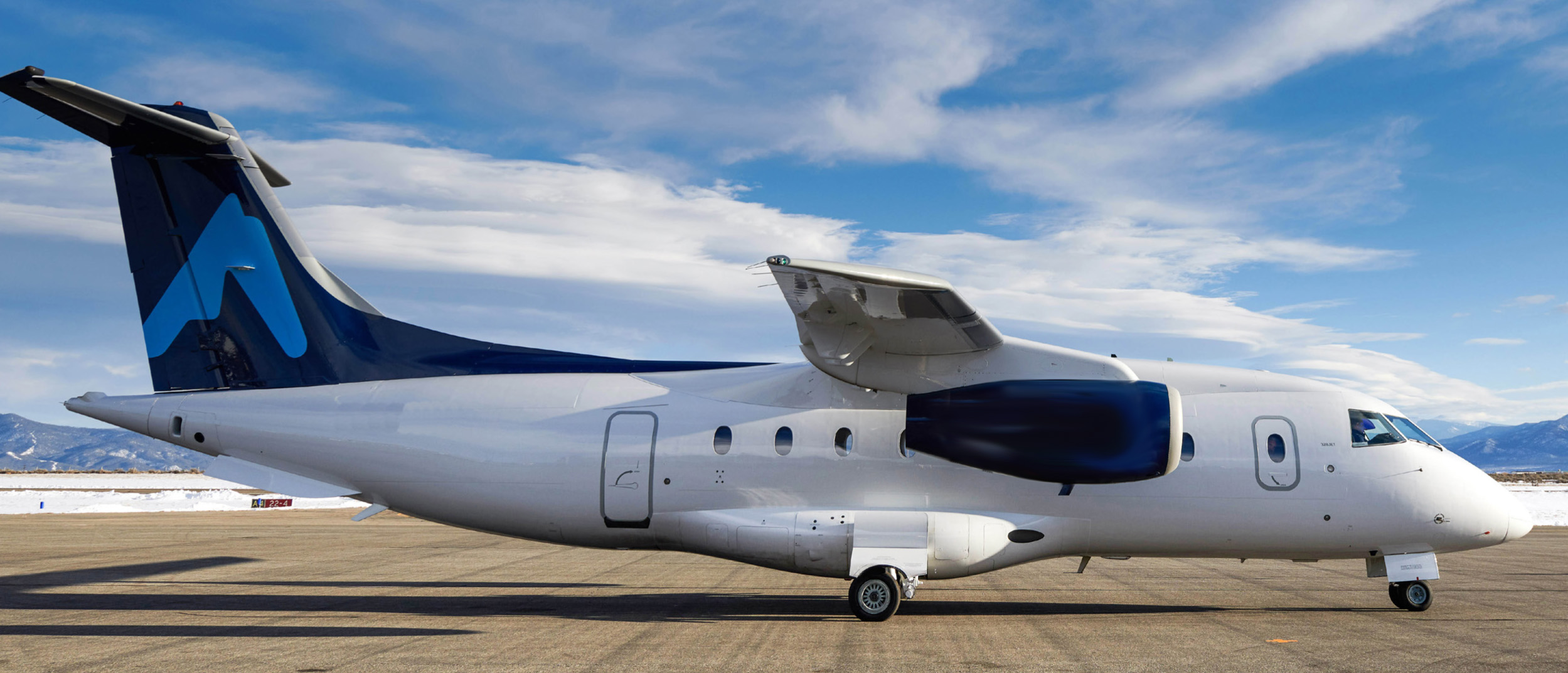
One of the most common questions our charter specialists hear is some version of "Can my dog fly in the cabin with me?" or "What about my cat, my bird, my two Great Danes?" The short answer is almost always yes — private aviation is, without question, the most pet-friendly way to travel. But flying comfortably and safely with an animal companion still takes some planning. Whether you're relocating with a nervous rescue dog, flying a show animal to a competition, or simply refusing to put your cat in cargo, here's what to know before you book.
Why Private Charter Beats Commercial for Pet Travel
On a commercial airline, pets are typically restricted to a small under-seat carrier in the cabin, or worse, the pressurized cargo hold — a stressful and sometimes risky option for larger breeds, brachycephalic dogs, or older animals. There are also strict counts on how many pets are allowed per flight, and last-minute changes can bump a reservation entirely.
On a private charter, your pet flies with you, in the cabin, for the entire trip. There's no crate requirement forcing separation, no size limit imposed by an airline's pet policy, and no risk of being denied boarding because another passenger already booked the one pet slot. Multiple animals, exotic pets, and even working or service animals of significant size are generally accommodated far more easily than on a scheduled airline.
Choosing the Right Aircraft for You and Your Pet
Aircraft selection matters more than people expect. A single-pilot light jet like a Phenom 100 or Cessna Citation II is perfectly fine for a small dog or cat in a soft carrier on a short trip, but if you're traveling with multiple large dogs, a horse trailer's worth of gear, or an anxious animal that needs room to settle, a larger cabin gives everyone more breathing room.
For families flying with big or multiple pets, we often recommend stepping up to a super mid-size cabin such as a Challenger 300 or Cessna Citation X, or a large-cabin aircraft like a Gulfstream IV/450 or Falcon 900, where there's floor space for a crate, a stand-up cabin for walking a nervous dog before landing, and a private lavatory area that can double as a quiet corner. Turboprops like the King Air 350 or Pilatus PC-12 are also excellent, economical choices for shorter regional hops with a pet in tow. Your charter specialist will factor your pet's size, temperament, and the length of the trip into the aircraft recommendation — it's part of the same conversation as passenger count and baggage.
Paperwork and Regulations You Shouldn't Skip
Flying private removes a lot of friction, but it doesn't eliminate the need for proper documentation. Depending on your destination — and especially for international trips — you should be prepared with:
- Current health certificates from a licensed veterinarian, typically issued within the timeframe required by your destination
- Up-to-date vaccination records, including rabies
- Import permits or entry requirements specific to the destination country or state, which can vary significantly
- Microchip documentation, if required by the destination
Every operator flying under FAA Part 135 (or the applicable Part 121 or foreign civil aviation authority certification for larger or international operations) sets its own pet policies, and international destinations often have their own agricultural and customs requirements layered on top. This is one of the biggest reasons to loop in your charter specialist early — they coordinate with the operator on pet weight limits, crate requirements, and any destination-specific rules well before departure day, so you're not scrambling at the airport.
Making the Flight Comfortable for Your Pet
A few practical habits go a long way toward a calm flight:
- Feed lightly beforehand. A light meal several hours before departure, rather than a full one right before boarding, helps prevent motion sickness.
- Bring familiar bedding. A blanket or bed that smells like home does more to settle an anxious animal than any toy.
- Pack water and a collapsible bowl. Cabin air is dry, and hydration matters, especially on longer flights.
- Consider a well-ventilated, properly sized carrier even if you don't plan to keep your pet in it the whole flight — takeoff, landing, and turbulence are safer moments to have them secured.
- Talk to your vet about anxious flyers. Some animals do better with a calming aid recommended by their veterinarian; this is a conversation to have well before departure day, not the morning of.
Let Your Charter Specialist Handle the Details
At Studio Jet, we've spent more than 17 years arranging private charters for clients whose trips involve far more than just people — service animals, family dogs, cats, birds, and the occasional show horse's traveling companions. As a charter broker, we don't own or operate aircraft ourselves; instead, we work with FAA Part 135 (and, for international trips, equivalent Part 121 or foreign CAA-certificated) operators to match you with the right aircraft, crew, and cabin configuration for your specific trip — pets included.
Every client gets a dedicated charter specialist who asks the right questions upfront: how many pets, what size, any anxiety concerns, any destination-specific paperwork. Pricing always depends on the aircraft, route, and season, and there's never a one-size-fits-all number — but we'll walk you through the options and get you a transparent, honest quote with no surprises.
If you're planning a trip with a pet in tow, don't leave it to a commercial airline's cargo hold or a last-minute scramble. Request a quote from Studio Jet today, or call us directly at 818-769-3535 to talk through your trip with a real charter specialist who will make sure both you and your travel companion arrive comfortably.