
Traveling with Pets on a Private Jet: What to Know Before You Fly
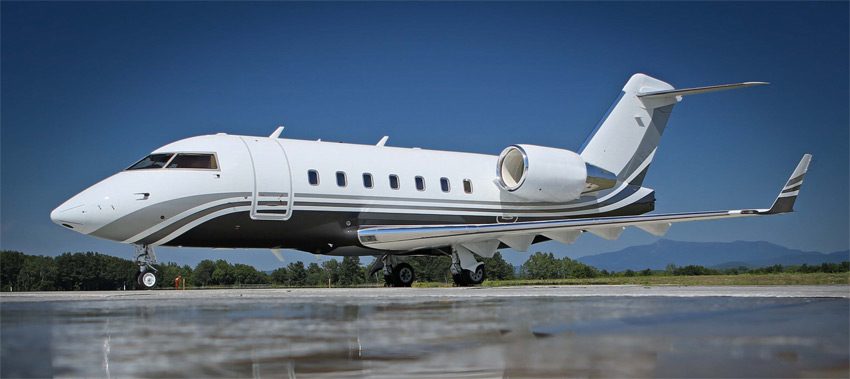
One of the biggest reasons travelers turn to private aviation is the ability to fly with their pets the way they'd want to — in the cabin, by their side, without a crate stowed in cargo or a last-minute scramble to meet an airline's size restrictions. Private charter removes nearly all of the friction that comes with flying commercial alongside a dog, cat, or other companion animal. But "easier" doesn't mean "no planning required." Here's what to actually know before you book a trip with a pet on board.
Your Pet Can Fly in the Cabin — But Prep Still Matters
Unlike commercial airlines, charter flights generally don't restrict pets to an under-seat carrier or limit how many animals can travel on a given flight. On most private aircraft, your pet can sit on your lap, rest on the seat beside you, or settle on the cabin floor during the flight. There's no gate agent checking breed restrictions and no risk of your pet being moved to the cargo hold. That said, every operator and aircraft has its own policies regarding pet weight, number of animals, and whether a carrier is required for taxi, takeoff, and landing. This is exactly why working with a dedicated charter specialist matters — they confirm pet policies with the operator before the trip is booked, not after you've arrived at the airport.
Choosing the Right Aircraft for a Pet-Friendly Flight
Cabin size and layout can make a real difference in comfort, especially for larger dogs or multiple pets. A light jet like the Phenom 100 or Citation II works well for a single small-to-medium pet on a shorter trip, but if you're traveling with a larger breed, multiple animals, or want more room for a crate and supplies, a mid-size or super mid-size option such as the Citation Latitude, Citation X, or Challenger 300 offers meaningfully more cabin space and a flatter floor area. For longer transcontinental or international trips with pets, a large-cabin aircraft like the Gulfstream IV/450, Gulfstream V/550, or Challenger 605 provides the room to let a pet stretch out, along with the cabin pressurization and quieter environment that make long flights less stressful on animals. Your charter specialist can walk through what's available for your route and match the cabin to your pet's size and temperament.
Documentation and Regulatory Requirements Still Apply
Flying private doesn't eliminate the paperwork — it just removes the gate-counter hassle. Domestic flights typically call for an up-to-date health certificate from your veterinarian, particularly if you're crossing state lines, and proof of current vaccinations. International trips are a different matter entirely: destination countries set their own import rules, which can include advance permits, specific vaccination timing windows, microchipping, and in some cases quarantine periods regardless of how you arrive. These requirements are set by the destination country and relevant agricultural or customs authorities, not by the aircraft operator, so it's on the traveler to research and secure documentation well ahead of departure. Build in time — some countries require paperwork to be filed weeks in advance.
Preparing Your Pet for the Flight Itself
A few practical steps make a noticeable difference in how well a pet handles a private flight:
- Feed and exercise beforehand. A lighter meal a few hours before departure and a walk or play session to burn energy helps most pets settle faster once airborne.
- Bring familiar items. A blanket, bed, or favorite toy that smells like home can meaningfully reduce anxiety in an unfamiliar cabin.
- Pack for the whole trip, not just the flight. Food, water, bowls, waste bags, any medications, and a copy of health paperwork should all be in reach, not checked.
- Consider a lightweight carrier even if it's optional. Many pets feel more secure in an enclosed space during takeoff and landing, and a carrier doubles as a safe place to settle during turbulence.
- Talk to your vet about anxious or elderly pets. For animals that struggle with travel, a veterinarian can advise on whether any calming support is appropriate — this is a conversation to have with your vet, not something to guess at.
Why the Charter Model Works So Well for Pet Owners
The real advantage of private charter for pet travel isn't a single amenity — it's the combination of flexibility, directness, and control. You set the departure time, so there's no standing in a security line with an anxious animal or waiting out a long layover. Flights are frequently nonstop, which cuts down on the total time your pet spends in transit and avoids the stress of connections. And because every trip is arranged around your specific needs, from aircraft size to onboard arrangements, pet accommodations are simply part of the planning conversation from the start, not an afterthought you have to fight for.
Plan Your Pet-Friendly Charter with Studio Jet
Studio Jet, Inc. has spent more than 17 years arranging private charter flights through FAA Part 135 certificated operators (and Part 121 or foreign CAA equivalents for applicable trips), giving clients access to a wide range of light, mid-size, super mid-size, and large-cabin aircraft suited to any size pet and any length of trip. As a charter broker, we don't own or operate aircraft ourselves — instead, every client gets a dedicated charter specialist who vets operator pet policies, aircraft options, and route logistics specific to your trip, with transparent, quote-based pricing that reflects your aircraft, route, and schedule. If you're planning to travel with a pet and want a flight arranged around your needs rather than an airline's rules, call us at 818-769-3535 or visit /request-a-quote to start the conversation.