
Turboprop vs. Jet: Choosing the Right Aircraft for Short Trips
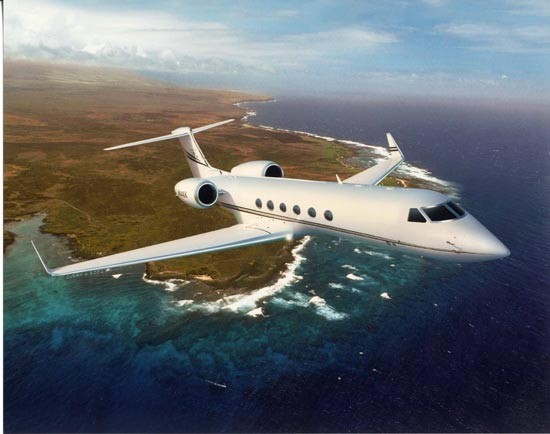
One of the most common questions a Studio Jet charter specialist fields isn't "which jet is fastest" — it's "do I even need a jet?" For trips under roughly 400-600 miles, the honest answer is often no. A turboprop can get you there just as practically, sometimes more comfortably, and frequently with access to airports a jet simply can't use. Picking the right category of aircraft for a shorter trip comes down to a handful of real trade-offs, not brand preference. Here's how to think it through.
What "Turboprop" Actually Means — and Why It Matters
Turboprops use a jet-style turbine engine to spin a propeller, rather than producing thrust directly like a jet engine does. That difference sounds technical, but it has very practical consequences for a charter passenger. Turboprops are typically more fuel-efficient over short distances, can operate comfortably from shorter and less-improved runways, and tend to cost less to charter than a light jet flying the same route. Aircraft like the King Air 90, King Air 200, and King Air 350, or the single-engine Pilatus PC-12, are the workhorses of this category — reliable, forgiving, and well suited to regional hops, quick business trips, or getting into smaller airports near vacation towns, ranch properties, or corporate facilities that jets can't reach.
Where Jets Still Win, Even on Short Legs
Speed isn't the only reason to choose a jet. Cabin altitude and pressurization technology mean jets generally provide a smoother, quieter ride at higher cruising altitudes, above a lot of the weather that turboprops fly through. If you're making the same short trip weekly, or traveling with a larger group, a light jet like the Phenom 100, Phenom 300, or Citation II can offer more headroom, a full-size lavatory in some cases, and a noticeably quieter cabin for calls or conversation. Mid-size options such as the Hawker 800XP or Citation XLS bring even more cabin volume and baggage capacity if you're carrying equipment, sports gear, or a larger travel party, even on a route that technically doesn't "require" a jet's range.
Runway and Airport Access Should Drive the Decision
This is where turboprops genuinely earn their keep. Many private aviation-friendly airports near mountain resorts, coastal communities, and smaller regional hubs have shorter runways or limited instrument approach infrastructure. A King Air 350 or Pilatus PC-12 can often operate comfortably into strips that a Citation Excel or Challenger 300 simply isn't built for. If your destination is a small municipal or resort airport rather than a major metro field, ask your charter specialist early which aircraft categories can actually serve that specific runway — it may narrow the decision for you before comfort or budget even enter the conversation.
Comfort, Group Size, and Trip Purpose
Be honest about what the trip actually demands. A solo business traveler or a couple making a 45-minute hop for a same-day meeting may find a King Air or PC-12 perfectly comfortable, with the added benefit of a faster curb-to-cabin experience at smaller airports with less congestion. A family of five heading to a weekend destination, or a group traveling with production equipment or extra luggage, will likely appreciate the extra cabin width and stowage of a light or mid-size jet such as the Lear 60 or Citation Latitude. Trip purpose matters too — client-facing travel where a polished cabin experience is part of the impression you're making often tips the decision toward a jet, even on a short leg.
Weather, Reliability, and Schedule Sensitivity
Turboprops handle a wide range of conditions well, but jets generally have an edge in climbing above weather systems and in overall ride smoothness at altitude on days with active convective activity. If your trip has zero flexibility — a same-day return for a critical meeting, a connection to a commercial flight, or a tight event schedule — that margin can matter. This is exactly the kind of judgment call a dedicated charter specialist should be walking you through before you book, weighing forecast conditions and the specific operator's aircraft against your itinerary.
How Studio Jet Approaches the Decision With You
Studio Jet has spent more than 17 years arranging charter flights, and one thing hasn't changed: there's no single "right" aircraft for short trips — only the right aircraft for your specific route, group, and priorities. As a charter broker, we don't own or operate aircraft ourselves; instead, we work with a wide range of FAA Part 135 certificated operators to match you with the right airframe for the mission, whether that's a King Air 350 for a quick regional trip into a smaller airport or a Citation XLS for a short leg with a full cabin of passengers and gear. Safety and transparency guide every recommendation we make, and pricing is always quote-based — it varies by aircraft, route, and season, so we'll walk you through real, current options rather than a generic estimate.
If you're weighing turboprop versus jet for an upcoming trip, don't guess — talk it through with someone who does this every day. Call Studio Jet at 818-769-3535 or visit our request a quote page, and a dedicated charter specialist will help you match the aircraft to the trip, not the other way around.