
What's Actually Included in a Private Jet Charter Quote
If you've never chartered a private jet before, the first quote you receive can feel like a black box. One operator's number might look higher than another's for what appears to be the same trip — and it's rarely clear why. The truth is that a legitimate charter quote is built from several distinct components, and understanding them is the single best way to compare options accurately and avoid surprises on trip day. Here's what actually goes into that number, and what to ask before you sign anything.
The Foundation: Flight Time and Aircraft Category
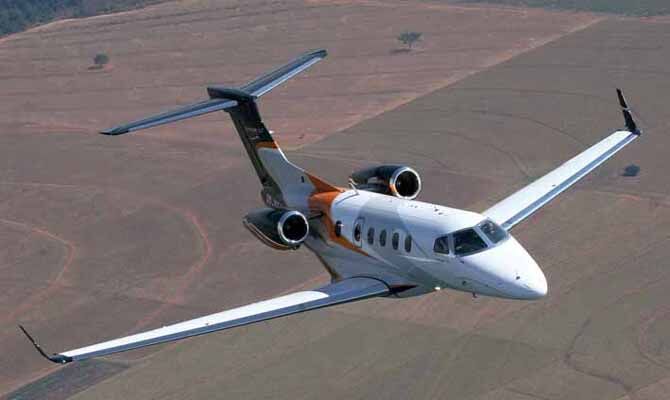
The core of any quote is the estimated flight time for your route, multiplied by the hourly rate of the specific aircraft being proposed. This is why two quotes for the same city pair can differ significantly — a light jet like a Phenom 300 or Lear 45 will price very differently than a super mid-size Challenger 300 or a large-cabin Gulfstream IV. Aircraft category also determines cabin size, range, and how many passengers and how much baggage the trip can comfortably accommodate. A good charter specialist will match the aircraft to your mission — a quick regional hop might call for a King Air 350 turboprop, while a longer transcontinental trip may point toward a Challenger 605 or Falcon 900. Because pricing varies by aircraft, route, and season, there's no substitute for requesting a real quote against your actual itinerary.
Positioning (or "Ferry") Costs
Charter aircraft aren't always sitting at your departure airport waiting for you. If the operator's plane is based elsewhere, the quote may include a positioning leg — the cost of flying the empty aircraft to your departure point before your trip even begins. This is one of the most common reasons two quotes for the identical route differ: one operator might have an aircraft already in position, while another has to fly it in first. Ask directly whether positioning costs are included or itemized separately, and whether the quote assumes the aircraft returns to its home base afterward or repositions again for its next assignment, since that can affect return-leg or one-way pricing.
Fees, Taxes, and Airport Charges
A complete quote should account for federal excise tax where applicable, segment fees, and airport-specific charges such as landing fees, ramp fees, and ground handling. International trips add further layers: overflight permits, customs and immigration handling, and international handling fees at arrival airports. Some of these vary by jurisdiction and by airport, particularly at busier or slot-controlled fields. If a quote seems unusually low compared to others, it's worth asking specifically whether these items are baked in or will appear later as add-ons.
Crew, Catering, and Ground Logistics
Flight crew costs — including crew duty time, and overnight expenses if your itinerary requires the crew to stay away from base — are generally part of the quoted trip cost rather than a separate surprise line item, though multi-day trips can affect the total. Catering is another variable: a light snack and beverage service is standard on most trips, while more elaborate in-flight catering for longer flights or special occasions is typically arranged in advance and reflected in the quote. Ground transportation to and from the aircraft is sometimes included and sometimes arranged separately, so it's worth clarifying up front if you need a car at either end.
De-Icing, Weather Contingencies, and Peak-Day Pricing
Seasonal factors can influence the final price. Winter operations may require de-icing services, which are typically billed based on actual usage since they depend on conditions at the time of departure. Similarly, holiday periods and other high-demand travel windows can carry premium pricing due to limited aircraft availability. A transparent quote will flag these as potential variables rather than hiding them, so you're not caught off guard if weather or timing pushes the final invoice slightly from the original estimate.
What a Trustworthy Quote Should Make Clear
Every charter flight arranged through a broker like Studio Jet is flown by an FAA Part 135 (or equivalent) certificated operator — the actual owner and operator of the aircraft, responsible for maintenance, crew training, and flight operations. As a broker, our role is to identify the right aircraft and operator for your trip, negotiate on your behalf, and make sure the quote you receive is a complete, honest picture of what the flight will cost — not a lowball number designed to win the booking with fees added later. A quote you can trust should clearly state:
- The specific aircraft type and operator being proposed
- Whether positioning costs are included
- Which taxes and airport fees are itemized
- What catering and ground transportation are covered
- Any conditions that could adjust the final price, such as de-icing or schedule changes
Why Working With a Dedicated Specialist Matters
With over 17 years arranging charter flights, we've found that the biggest source of client frustration isn't price itself — it's ambiguity. That's why every Studio Jet client works with a dedicated charter specialist from first call through wheels-down, someone who walks through the quote line by line, explains exactly what's included, and answers the questions above before you commit. Safety and transparency aren't taglines for us; they shape how every quote is built and every operator is vetted.
If you're planning a trip and want a clear, honest quote with no hidden line items, call Studio Jet at 818-769-3535 or visit our request a quote page to get started. We'll walk you through exactly what's included for your specific route, aircraft, and travel dates — so you know precisely what you're paying for before you ever step onto the tarmac.